
Get support from Hope
UK wide support from Hope
Hope supports children and young people aged 5-25 when a loved one has been diagnosed with a serious or life-threatening illness.
Support is available across the UK via Hope Online, where young people can chat privately to our online support team or join our peer support community. Young people in Herefordshire and the Forest of Dean can also access our local face-to-face support.
To start support, head to our referral form.
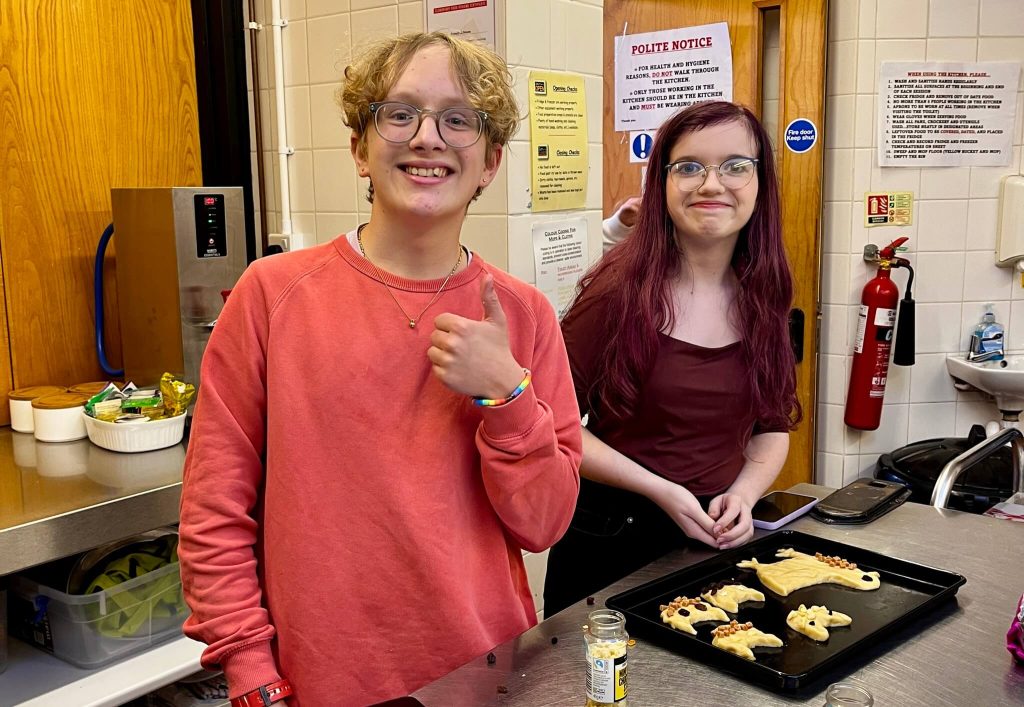

ONE-TO-ONES
Chat with our Wellbeing Advisors via video, audio, email or messaging
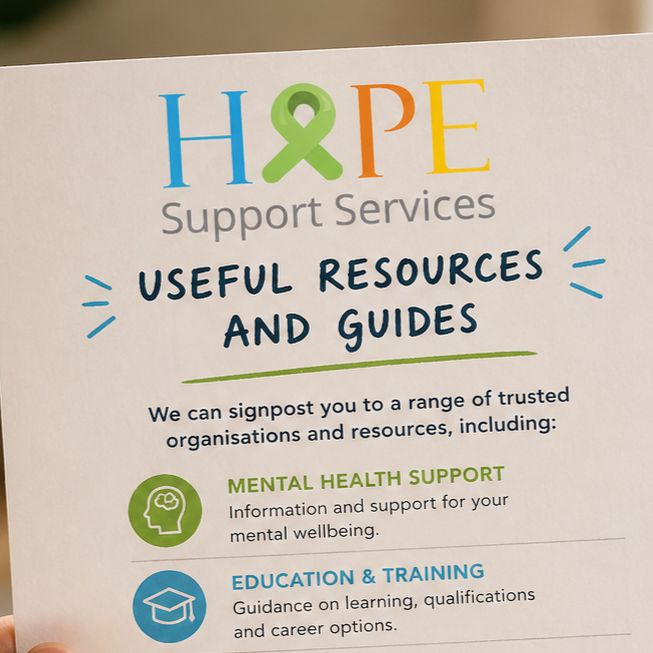
RESOURCES
We can signpost to useful resources and guides, to take the pressure off
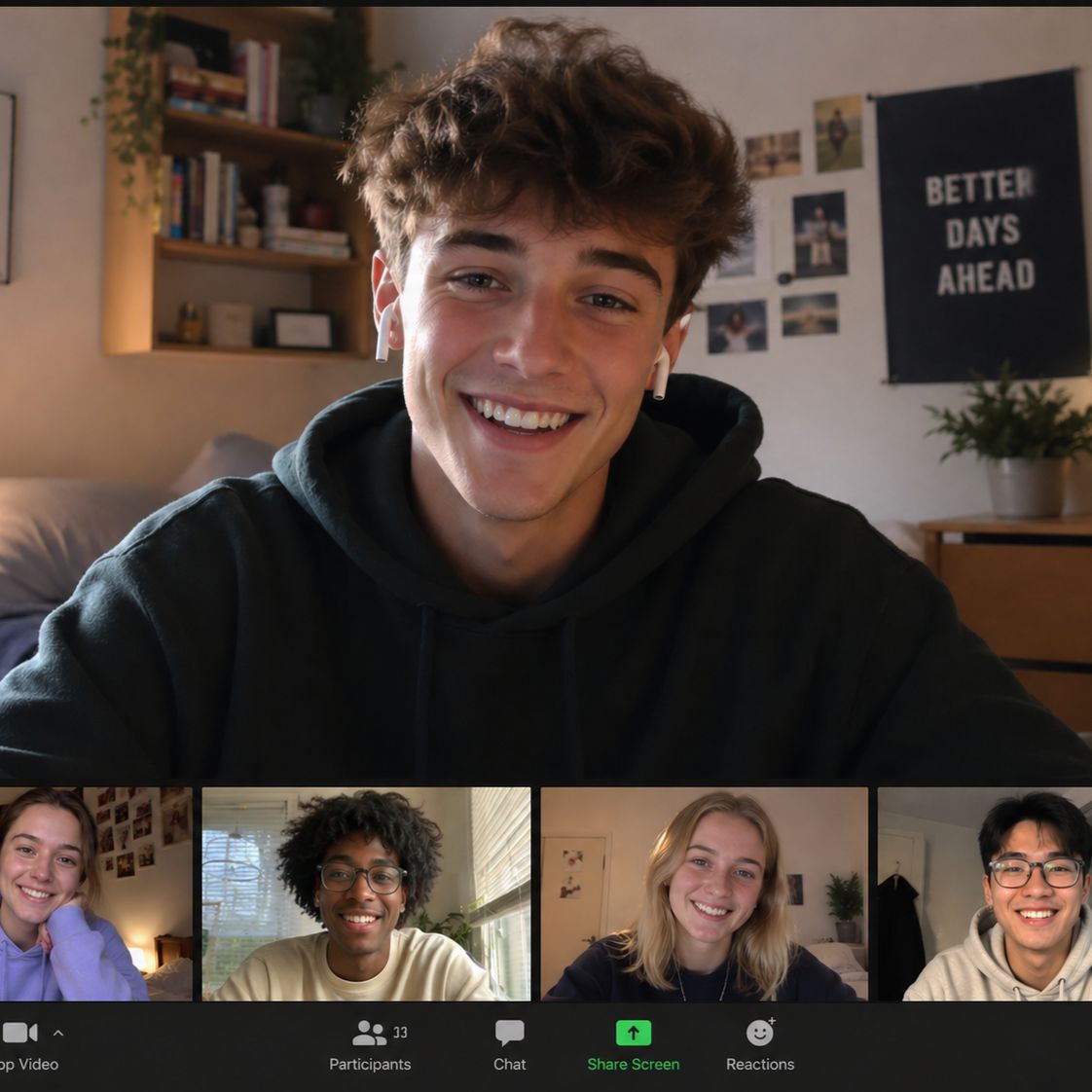
PEER SUPPORT
Meet others going through the same thing in our 18-25 peer support group
Online Support FAQs
What support do you offer?
We offer one-to-one support via Microsoft Teams, email or Facebook (13+). Sessions are available from a loved one’s diagnosis and can continue for however long we’re needed, whatever the outcome for the patient.
We also offer an online 18-25 monthly peer support group, as well as a Facebook community We Are Hope.
What do you talk about in the sessions?
Just like no two young people are the same, no two Hope sessions are the same!
We could be looking at coping strategies to help a teenager concentrate in school, drawing a worry monster with a younger child, or listening to a young adult that can’t decide whether to go to university and leave an ill family member at home.
We do not provide counselling or therapy, but a listening ear to help young people talk about their worries or struggles.
How many sessions can a young person have?
There’s no minimum or maximum number of sessions a young person needs to have; we recommend young people book no more than one session every two weeks – some access every fortnight, and others book an ad-hoc session every so often if they’re having a particularly tough time.
Can a child access support from school?
Most of our sessions take place after school or on the weekend, but we do have a limited number of online school sessions available for those who are unable to access from home.
When completing our referral form, please indicate if school sessions are needed.
Can you support a young person who has a loved one experiencing a mental health issue, or physical health condition?
Our support is available to young people who have a loved one with a serious illness such as cancer, MND, organ failure, heart condition, or dementia. Unfortunately, we cannot provide support when a loved one has a mental health condition, addiction, or physical disability that is unrelated to a serious illness.
If you are unsure as to whether a condition would fit our remit, please get in touch.
Can you help neurodivergent children, or those with disabilities?
We have supported many children who are neurodivergent, as well as those with disabilities or learning difficulties.
Whilst a young person would need to be verbal to access our video/audio calls, we do have a messaging service through Facebook, Microsoft Teams or email for those who would prefer to type things out.
Whilst we acknowledge that online one-to-ones may not suit everyone, we will always try and do what we can to support a young person who needs us and ensure our service is as inclusive as possible.
Please get in touch if you would like to chat about any adjustments that may be needed for a young person, or to see how we can help.
Can you support young people who have mental health conditions, or suicidal thoughts?
Hope is a low-level service, and our Wellbeing Advisors provide a listening ear and basic coping strategies. We recognise that having a loved one with a serious illness can lead to lots of emotions, and we can support young people experiencing things like stress, anger or confusion – as well as issues with friendships, school struggles and unhealthy coping mechanisms.
If any of these emotions are having a severe impact on a child’s day to day life, or they are experiencing separation anxiety, depression, self-harm, suicidal thoughts, eating disorders or OCD symptoms, we would instead recommend a GP appointment for a referral to a higher level support service such as counselling, therapy or CAMHS.
I’m unable to fill in the referral form – is this something you can help me with?
Of course! Just give us a ring on 01989 566317 during office hours and we can fill it out over the phone.
Need help immediately?
Hope is not a 24-hour service, so if you’re in need of emergency support right now, please contact one of these organisations below who may be able to help you. If it’s not urgent, this list of helpful links may also help you find the support you need.

CHILDLINE
If you’re under 19 and need to talk about a problem you are facing.
0800 1111

SAMARITANS
Offering confidential emotional support to absolutely everyone.
116 123

NHS 111
If you need medical help fast but it’s not an emergency. In emergencies, call 999.